.png)


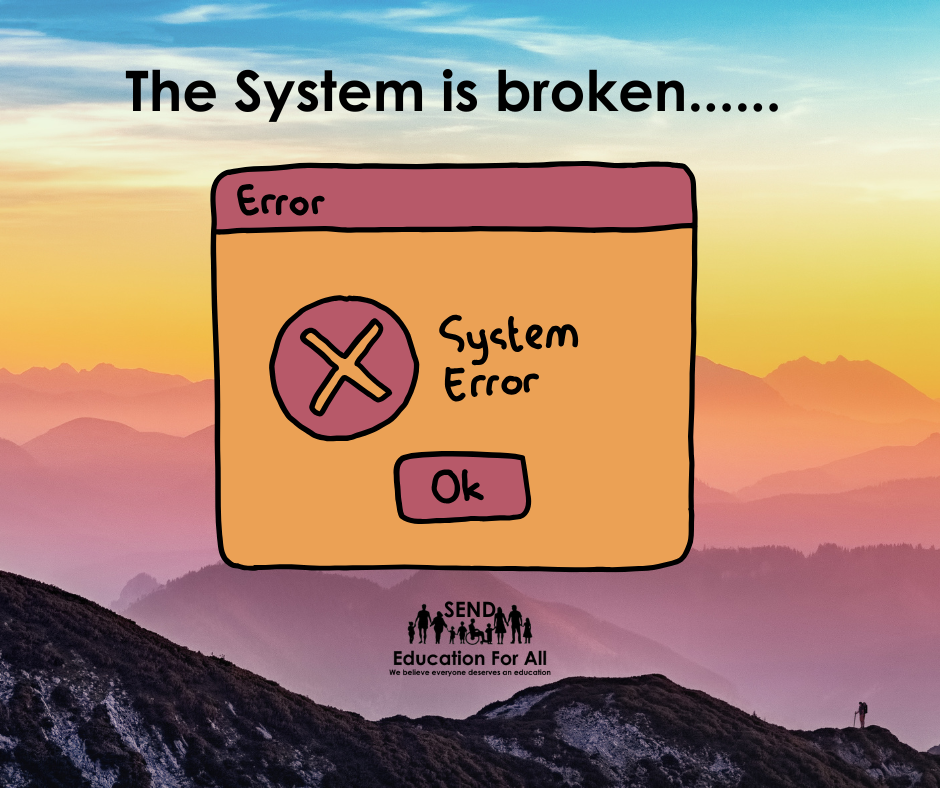
When Do We Stop Having to Fight?

Do you ever wonder when families like ours will stop having to fight for the most basic support our children need?
For us, it feels like a battle that has lasted a lifetime.
Our son, W, will be 13 this year, and for as long as we can remember, we've been advocating, chasing answers, attending appointments, completing forms, and explaining the same things over and over again. The exhausting part isn't just the fight itself. It's what that fight has done to him.

After years of feeling unheard, W has simply had enough.
He no longer wants to engage with health services because, from his perspective, they don't help. When we attend appointments, it often feels as though the outcome is the same. He is placed on another waiting list, passed to another professional, or his concerns are not truly listened to. When that becomes your experience time and time again, it is easy to understand why a child starts to lose faith in the very people who are supposed to support them.
W doesn't see the point anymore.
The saddest part is that he has become so used to living with pain and difficulties that he sometimes makes heart-breaking comments that no child should ever feel compelled to make. Those moments are devastating as parents. They are a stark reminder of the impact that years of unmet needs and inadequate support can have on a young person.
As a family, we have reached a point where enough feels like enough.
What makes it even harder is the expectations placed on W by some professionals. Because he is 12 years old, there seems to be an assumption that he should be taking responsibility for managing his difficulties independently. Yet those expectations are often made without a full understanding of his needs. Too often, professionals don't take the time to truly understand the challenges he faces every day.
Instead of being supported, he is expected to adapt to systems that were never designed with him in mind.

One of the issues W finds most difficult is the way his autonomy is frequently overlooked. He has clearly communicated boundaries and expressed when he does not want certain conversations to continue. Yet there have been occasions when professionals have continued questioning him despite those requests. They may see it as routine practice, but from W's perspective, it feels like not being heard all over again.
For a child who already feels let down by the system, experiences like this reinforce the belief that his voice does not matter.

And that has been the final straw.
The reality is that support services should be making life easier for families. They should be reducing stress, providing guidance, and helping children feel seen, heard, and understood. Instead, many families find themselves fighting harder than ever just to access the support they have been told exists.
The emotional cost of that fight is enormous.

It affects parents, siblings, relationships, and most importantly, the child at the centre of it all. Behind every referral, assessment, and waiting list is a young person who deserves better.
We are not asking for special treatment. We are asking for appropriate support, genuine understanding, and professionals who listen.
Most of all, we are asking for a system that doesn't leave children feeling so exhausted, defeated, and unheard that they simply stop engaging altogether.
Because no child should have to spend their childhood fighting to be believed. And no family should have to spend years fighting for the support their child needs.


Comments